

buzzura Mon-Fri 9:00-17:3001522 390417
What we offer

Services for studio and live production teams

buzzura

Six areas of advice and training, from camera configuration and lighting to audio synchronisation, control room workflow, documentation and crew sessions.

Services

Six ways we help production teams

  • Camera Configuration Reviews

    Camera Configuration Reviews

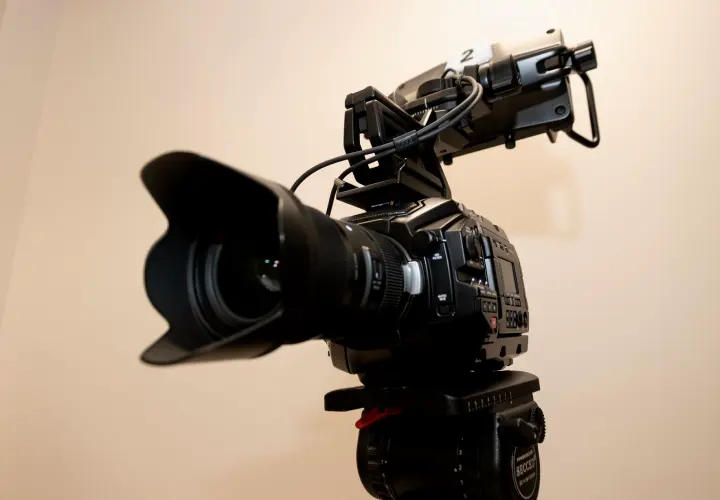
    We examine camera positions, lens choices, camera control and signal paths in your studio, then write up what to keep, what to adjust and what to leave alone, in priority order.

    Contact →
  • Stage Lighting Design Advice

    Stage Lighting Design Advice

    A written lighting plan for your set or stage, with fixture positions, colour and intensity guidance and cue notes. It is written so a lighting operator can follow it without further explanation.

    Contact →
  • Audio Synchronisation Audits

    Audio Synchronisation Audits

    We trace lip-sync drift and latency from microphone through mixer, embedder and playout chain, locating where the delay enters. You receive a report naming the cause and the adjustment that corrects it.

    Contact →
  • Control Room Workflow Planning

    Control Room Workflow Planning

    We plan the layout and operating procedures of your gallery, covering vision mixing, audio, graphics and talkback, so roles are clear and the team can work through a live show without confusion.

    Contact →
  • Live Production Workflow Documentation

    Live Production Workflow Documentation

    Runbooks, checklists and cue sheets drawn from how your crew really runs a show. They let a different team repeat the same programme reliably, and help new crew get up to speed sooner.

    Contact →
  • Team Training Sessions

    Team Training Sessions

    Half-day and full-day sessions on studio fundamentals for new and junior crew. Content is chosen with you beforehand and can focus on cameras, lighting, audio or gallery practice.

    Contact →
Choosing a service

What to weigh before you pick a service

Most clients begin with one problem and find it touches another area. These points explain how to choose a starting point and what each piece of work gives you.

Contact
  • Start with the symptom

    Describe what goes wrong on air or in rehearsal. A drifting lip-sync points to an audit, a cluttered gallery to workflow planning, and we help match the symptom to the service.

  • A named specialist

    The consultant who works in that area leads your job, so questions after delivery go to the person who wrote the advice.

  • Existing kit first

    We look at what you own before suggesting anything new, and we say clearly when a change in procedure solves the problem.

  • Written, usable output

    Every service ends in a document or session your team can act on: a report, a plan, a runbook or a training day with notes.

  • Scope sets the effort

    The time needed depends on the size of the studio, the number of cameras or channels and how much documentation already exists.

  • Plain conversation first

    A call or e-mail exchange about your situation comes before any quotation, so the proposal fits your actual need.

Scope and price

What a quotation covers and what moves it

Each job is quoted in writing after we understand the studio and the problem. The price page gives the starting figures, and the quotation sets out exactly what is included, so there are no surprises when the invoice arrives.

What is included

A quotation lists the consultant's time, any visit to your studio, the written report or documents, and a round of follow-up questions after delivery. Where a training day is quoted, it includes preparing the material and the notes the crew take away. We describe each deliverable in plain words so you know what you will hold at the end. Anything outside the stated scope is named as such.

What changes the price

The main factors are the size of the studio, the number of cameras, audio channels or crew involved, how far we must travel and how much existing documentation we have to read. A second site, an extra day or a request for additional documents will also change the figure. We explain each factor in the quotation so you can see how the total was reached.

How ordering works

You send an enquiry through the contact page, we reply with questions and then a written quotation or confirmation. Once you accept it, we schedule the work and invoice you, payable by bank transfer. Nothing is bought through the website itself. Cancellations and refunds follow the payment and refund policy, which you can read before agreeing.

Get in touch

A Lincoln consultancy and resource for studio and broadcast production: cameras, lighting, audio sync, control rooms and workflows, written for working crews.

buzzura
© 2026 buzzura. All rights reserved