

Our Work
A closer look at the settings, equipment and working steps behind each of our services.
The details behind each review and plan
These scenes show the equipment, rooms and routines we spend our time with. Each one corresponds to a step in a review, a plan or a training day.
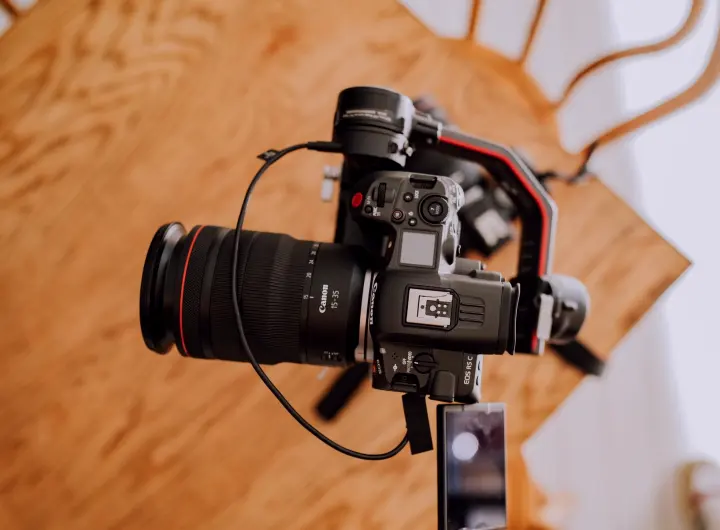
Camera and lens checked on the pedestal
A camera review starts with the physical setup: pedestal balance, lens choice, focus and zoom controls and how the camera is cabled back to the gallery. We note anything that limits the operator.
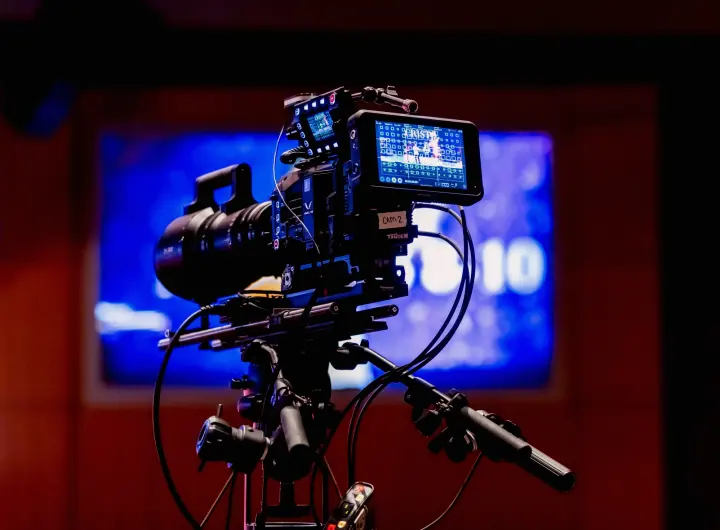
Lighting rig above a studio set
Lighting advice begins with the grid: which fixtures hang where, how the key, fill and back light fall on presenters and how colour and intensity are set for the cameras in use.
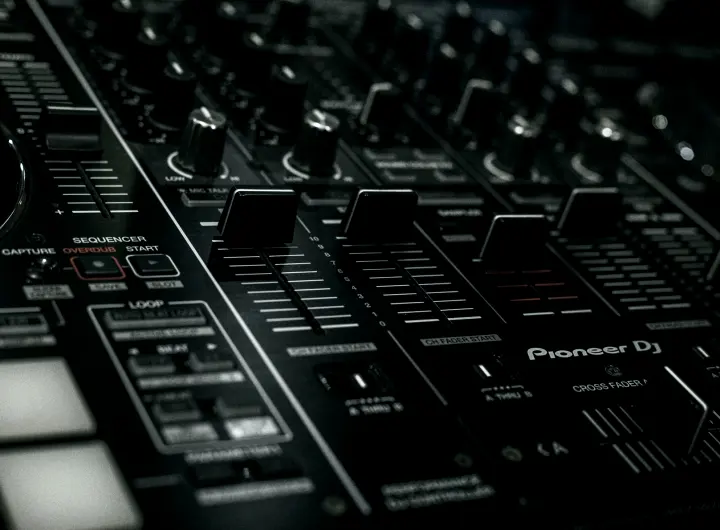
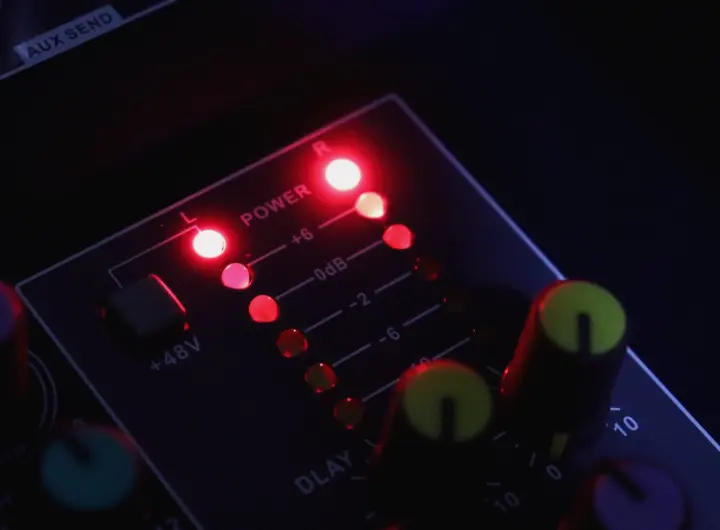
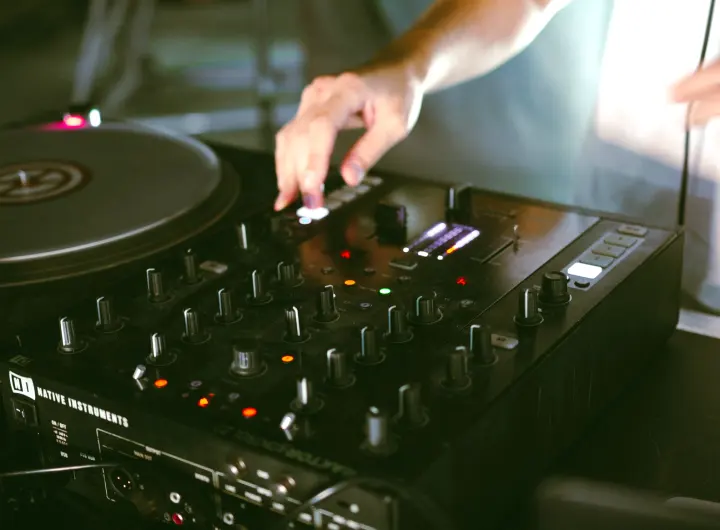
Mixing console during a sync check
For audio audits we follow the signal from microphone through the console and onward, noting each point where processing may add delay, so the source of any lip-sync drift can be found.
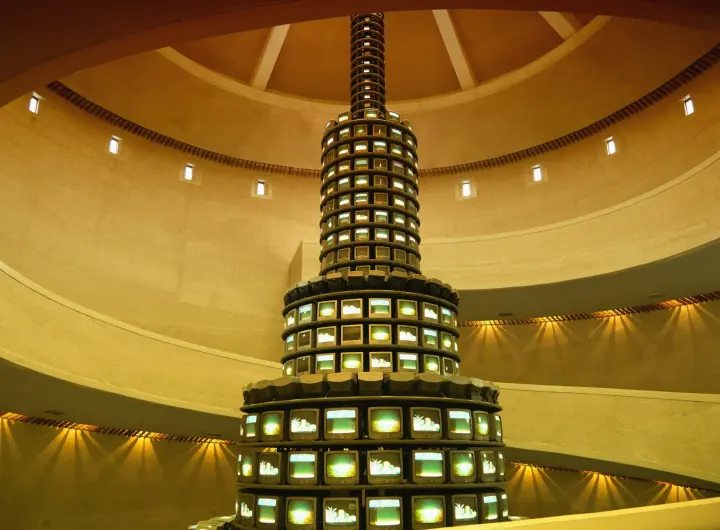
Gallery monitors and vision mixer
Control room planning looks at how the monitor wall, vision mixer and talkback are laid out, and whether each operator can see and hear what the role needs without leaving their seat.
Run sheet reviewed by the crew
Documentation is built from the crew's own run sheets. We sit with them, mark what is done in practice, and turn it into a checklist that another team could follow on the day.
Training session in a studio classroom
Training days mix short explanations with time at the equipment. New crew handle cameras and audio gear under supervision and take away notes they can refer to afterwards.
Audio Synchronisation Audits
This service is for studios and live teams whose picture and sound do not stay aligned, whether on air, in a stream or in a recording. We trace the signal from source to output to find where the delay is introduced.
Contact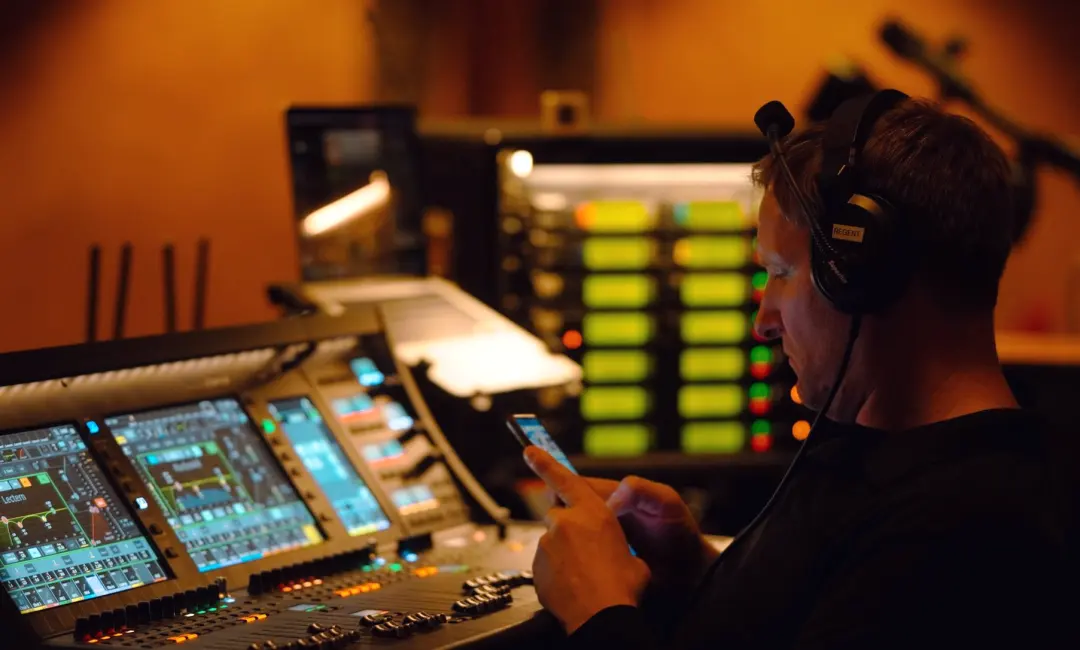
- Mapping the audio and video chain
- We list every device between microphone, camera and output, including mixers, converters and playout. The map shows where each signal is processed and where a difference in timing could arise.
- Measuring the offset
- With test material and the monitoring you already have, we compare picture and sound at several points in the chain. This shows whether the fault is constant, varies with the source or appears only after a particular device.
- Naming the cause
- Once the point of delay is found, the report explains why it happens, such as buffering or format conversion, in terms the crew can follow, and distinguishes confirmed findings from suspected ones.
- Recommended adjustment
- The report states which setting or device to change and in what order, and how to check the result. Where a fix lies with the equipment supplier, it says so plainly.
Before we start, it helps to have a signal diagram, a list of devices with their settings and a recording that shows the fault, though we can build these with you.
Get in touch
- Phone
- 01522 390417
- [email protected]