
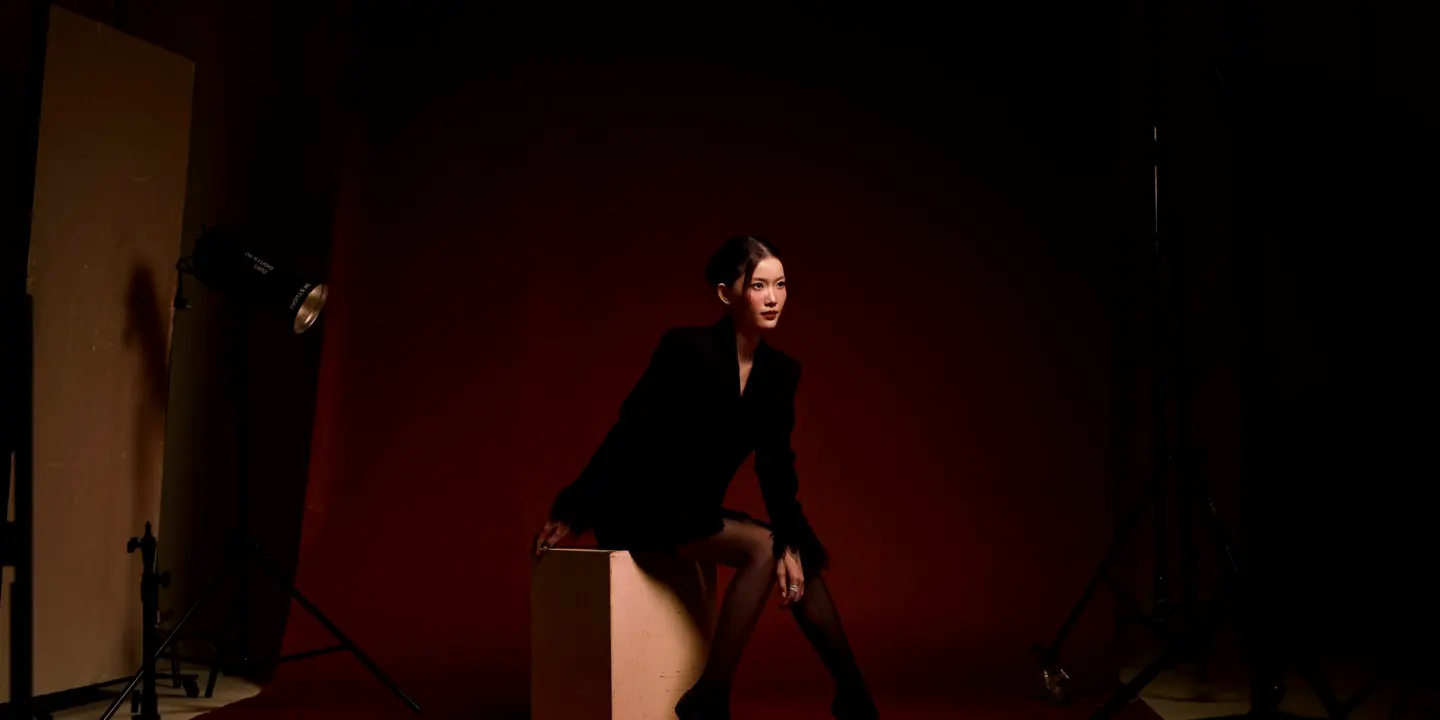
Preparing Studio Lighting for the Darker Months Ahead
Shorter days, colder sets and heavier schedules change how lighting plans hold up. Helen Marsden sets out what to review before winter programming begins, from cue sheets to lamp stock.
Why autumn is the right time to look at your lighting plan
Every autumn I notice the same pattern in the studios and live stages we speak with. Daylight in the building drops, schedules fill up with seasonal programming, and a lighting plan that coped quietly through summer starts to show its gaps. A plan written for a few relaxed shoots a month is not always the plan you want when the studio is booked back to back.
The lighting plans we write are written documents: a rig layout, a list of fixtures with their positions, and cue guidance that an operator can follow without having been in the room when it was drawn up. Reviewing that document now, while the diary still has some slack, costs far less than discovering its weaknesses during a busy week of recording.
This article is about the practical checks I would make in these weeks, not about buying anything new. Most of what improves a winter schedule is attention to what you already own and how clearly it is written down.
Check the plan against how the set is really used
Sets drift. A desk gets moved to make room for a guest chair, a backdrop is swapped for a seasonal one, and a fixture that was focused for one position now lights an empty patch of floor. Start by walking the studio with the printed plan in your hand and marking every difference between paper and reality.
Pay particular attention to key light positions on presenters. Seasonal clothing is heavier and often darker, and wool, velvet and dark coats absorb light differently from summer fabrics. A setting that flattered a presenter in a light shirt can leave a dark jacket looking like a hole in the picture.
Photograph the rig from the control room monitors and from the floor. Pictures taken before you change anything give you a record to return to, and they make the conversation with the crew much easier than describing a problem from memory.
- Mark every fixture that has moved since the plan was drawn
- Note any set element that has changed colour or finish
- Record the plan against a dated photograph
Colour temperature and mixed light in shorter days
When windows or glazed roofs let in less daylight, the balance between natural and artificial light changes through the working day. A studio that matched well at noon can look noticeably cooler or warmer by late afternoon, and cameras white-balanced in the morning drift out of agreement with the lamps.
If your space has any daylight at all, decide whether you are going to block it or live with it. Blocking is more predictable, and for a fixed-schedule studio it is usually the better choice. Where blocking is impractical, write the white balance routine into the plan with times, so operators know when to recheck rather than trusting a single morning setting.
Also look at older fixtures. Lamps lose output and shift in colour as they age, and a rig where half the units are new and half are several seasons old will not match, however carefully the plan is drawn.
Write cue guidance an operator can follow cold
Autumn is when guest operators, freelancers and new crew join for busier schedules. Cue guidance that lives in one person's head fails the first time that person is on leave. The test I use is simple: could someone who has never seen this show run the lighting from the document alone?
Good cue guidance names each state in plain words, such as wide welcome, two-person interview or close on presenter, and gives the intended look rather than only fader numbers. Numbers tell an operator what to press; descriptions tell them what the picture should be, which matters when a fixture has failed and they must improvise.
Include a note for each cue about what can safely change and what cannot. If a guest may stand a metre to the left without trouble, say so. If a backlight must stay exactly where it is, say that too, and why.
- Name each lighting state in plain words
- Describe the intended picture, not only the settings
- State what may change and what must stay fixed
Spares, safety and the cold-set routine
Cold mornings affect studios more than people expect. Fixtures struck from cold, cables stiff from the overnight chill and floors that stay damp near entrances all add small risks. Build a short opening routine into the plan: check the rig visually, strike fixtures in a sensible order and look over cable runs before anyone starts rehearsing.
Review your spares at the same time. A short list of what you keep in stock, what it fits and where it is stored saves a long search when a lamp fails ten minutes before recording. If a particular fixture has no replacement on the shelf and a long lead time, that is worth knowing in October rather than December.
Check rigging points and safety bonds on anything hung overhead, and record when they were last inspected. This is a record-keeping job as much as a technical one, and it belongs in the same document as the plan.
What a written review looks like in practice
When a studio asks us for lighting design advice, the result is a written plan rather than a visit that fades from memory. It describes the rig as found, sets out recommended changes in order of importance and gives cue guidance for the programmes you actually make. Daniel Whitcombe writes most of these, and he keeps them deliberately plain.
We do not promise a transformation, and we do not push new equipment. Often the most valuable recommendations are small: refocus these four units, retire that old lamp, rename these cues so everyone means the same thing. The document is yours to keep and to hand to the next operator.
If you would like to talk about a plan for the coming months, the contact page has a form, and a conversation costs nothing before any written quotation is agreed.
The coming months reward studios that spend a little time now on what they already have. Walk the set with the plan, check colour consistency, write cues so a stranger could run them, and know what is in your spares box. None of this needs a large budget, only an afternoon and a willingness to write things down. A lighting plan that matches the room is quieter to operate and kinder to your crew when the schedule fills up.
Get in touch
- Phone
- 01522 390417
- [email protected]