
How a Regional Crew Learned Studio Basics in One Full Day
Daniel retells a full-day training session with a small production team, led by a producer called Marcus, and what changed in their studio routine over the weeks that followed.
The call that started it
Marcus runs a small production team that makes regional programmes from a single studio. Earlier this autumn he wrote to us through the contact page. Two new recruits had joined his crew, and a part-time floor manager was about to take on extra shifts. Everyone was willing, but nobody had been shown the fundamentals in a structured way. They had learned by watching, and each person had picked up slightly different habits.
His request was modest. He did not want a lecture on theory or a certificate for the wall. He wanted a day in which the whole crew would use the same words for the same things, understand why the studio is arranged as it is, and leave with a short set of notes they could return to. That is exactly what a full-day Team Training Session is designed to cover, so we agreed the scope in writing and fixed a date.
Shaping the day around his studio
Before the session I asked Marcus for a floor plan, a list of the kit in the studio and a note of the problems that came up most often. His list was short and honest. Floor staff were unsure about cable routes, the junior camera operator did not know how to check focus without help from the gallery, and talkback was often used so loosely that instructions overlapped.
I built the day around those three points rather than a generic outline. The morning would go to the floor and cameras, and the afternoon to lighting basics, talkback discipline and a supervised run of a short mock segment. Keeping the plan tied to his own studio meant the examples were things the crew would see again the following week, not abstractions from somewhere else.
- Floor plan and equipment list requested in advance
- Three recurring problems named by the client
- Morning on floor and cameras, afternoon on lighting and talkback
Inside the training room
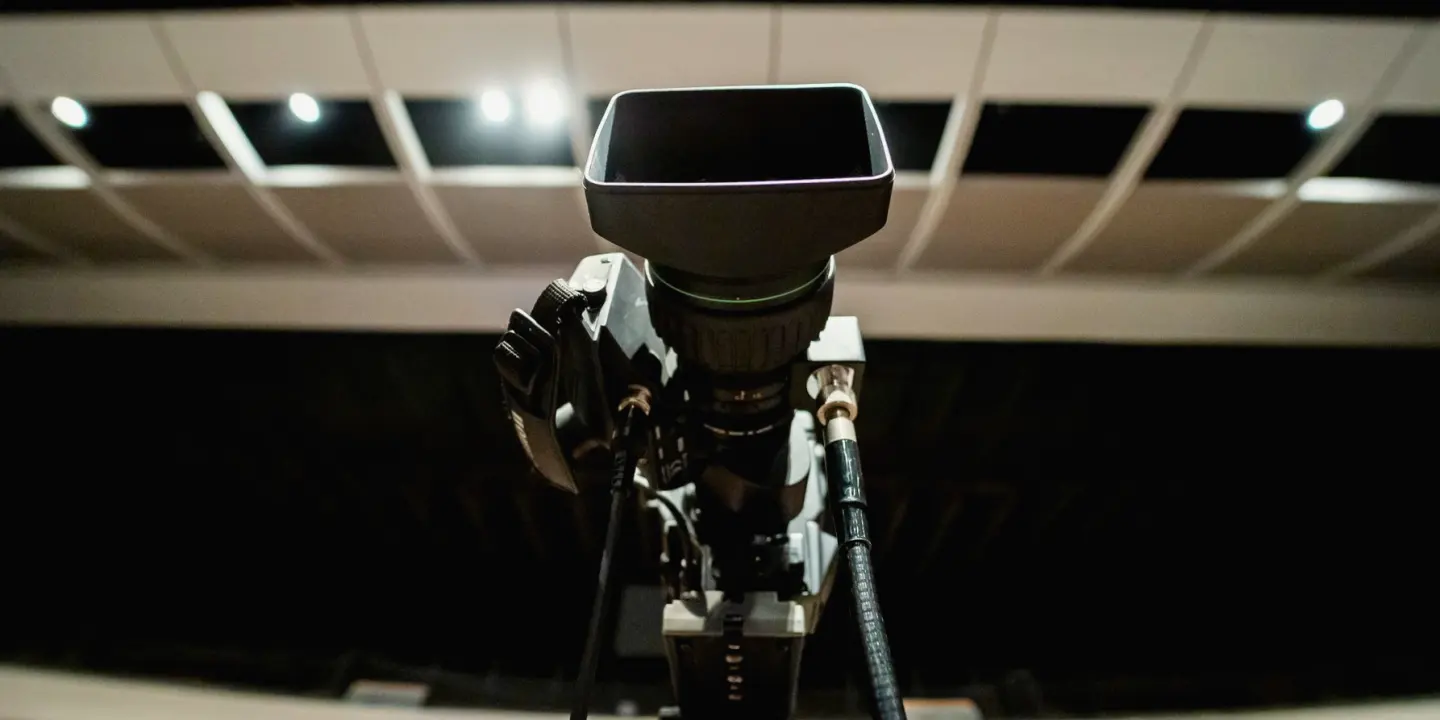
We began on the studio floor, because people remember what they handle. The crew walked the cable routes together and talked through why certain paths stay clear of the pedestal's turning circle. Each person then took a turn on the camera, setting back focus on a marked point and checking it against the viewfinder before anyone in the gallery confirmed it.
I find that juniors learn fastest when they are allowed to make a small error in a safe moment. One recruit framed a presenter too tightly, saw the problem on the monitor and corrected it without prompting. After lunch we turned to the lights. I explained key, fill and back light with the actual fixtures above Marcus's set, and showed how a small change in angle removes a shadow from under the chin.
Talkback and the mock segment
Talkback was the part Marcus had worried about most. We agreed a simple convention: the person speaking names who they are addressing first, then gives the instruction, then waits for a short acknowledgement. It sounds almost too plain to mention, but it removed the overlap he had described within the first few minutes of practice.
We then ran a three-minute mock segment with every role filled, including a floor manager cueing the presenter by hand. We stopped twice to talk through what had happened and ran it again. By the third pass the crew were calling shots with a calm rhythm, and the gallery no longer had to repeat itself. Nothing about it was dramatic, which was the point of the exercise.
- Address the person, give the instruction, wait for acknowledgement
- Three runs of the same segment, with a pause after each
- Every role staffed, including the floor manager
What stayed with the crew
A few weeks later Marcus got in touch again, and I want to report only what he told me. The crew had pinned the one-page notes from the day beside the gallery door and were using the talkback convention on every recording. The floor manager had started walking the cable routes before each session without being asked.
He did not claim the studio had been transformed, and I would not either. What he described was a more consistent habit across the people working there, which is what a single training day can realistically offer. The crew also noticed which topics they wanted to understand better, and that is a useful result of its own, because it shows where a later conversation about their workflow might begin.
Lessons from the case
Looking back, three choices made the day work. We built it from the client's own list of problems, we kept the group on the floor rather than in a classroom for most of the time, and we left a short written summary behind. None of this needed special equipment, only preparation and a clear order of topics.
If you are considering a session for new or junior crew, the most helpful thing you can send us is an honest account of where things go wrong in your studio. A floor plan and a list of kit help too. With those in hand, a half or full day can be planned around your team, not around a standard template.
Marcus's case is a small one, and I have kept it that way on purpose. A single day gave a few people a shared vocabulary, a handful of repeatable habits and a page of notes to return to. If you manage new crew and want the basics taught in your own studio, write to us through the contact page and describe the problems you see, and we will propose a plan in writing.
Get in touch
- Phone
- 01522 390417
- [email protected]