
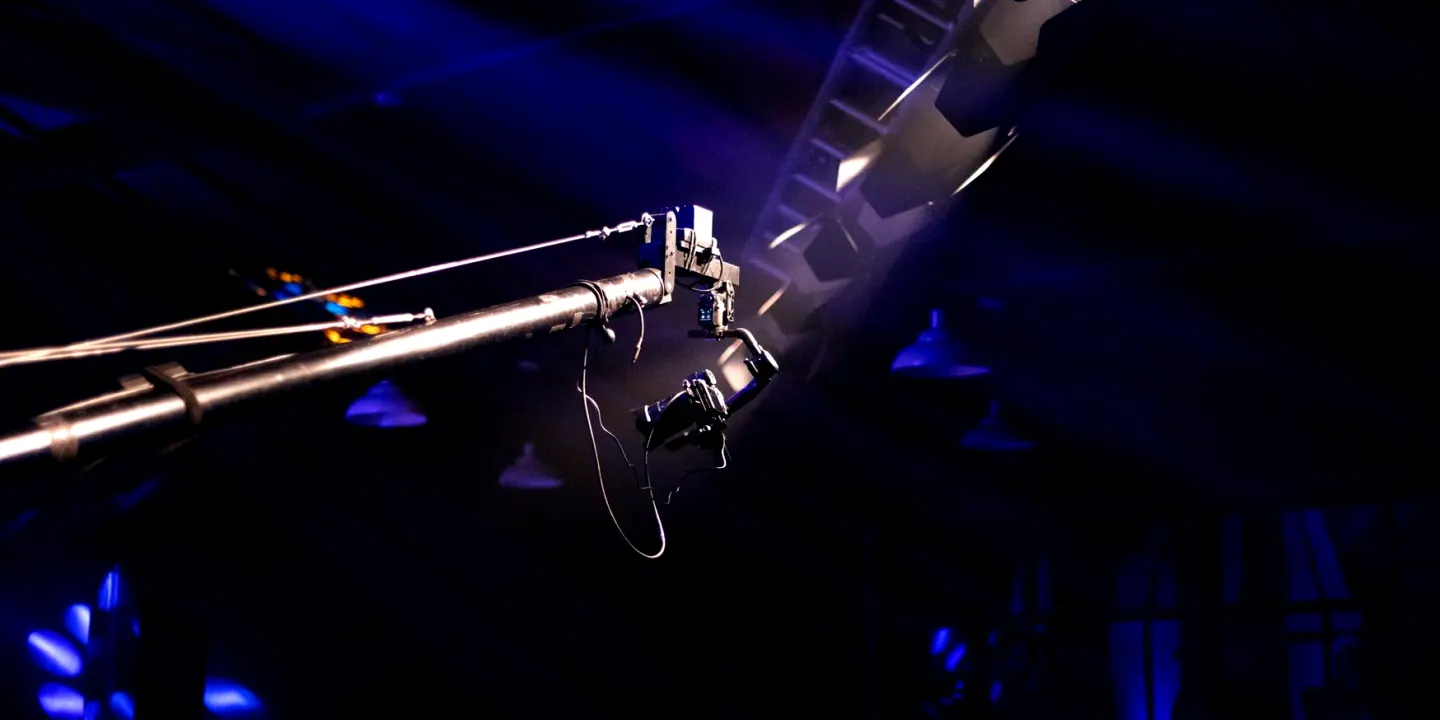
A small theatre studio and the lighting plan that fixed its flat picture
Daniel Whitcombe tells how a written lighting plan helped a small studio team, led by a producer called Marcus, get depth and consistent skin tones on a set that always looked flat.
The call from a producer in the East Midlands
Marcus produces a weekly discussion programme from a converted rehearsal room. He wrote to us in the first weeks of autumn with a problem he could describe but not name: the set looked flat on camera, guests drifted between pale and orange from one segment to the next, and the crew kept moving lamps between recordings without ever settling on a rig.
He had a good camera package and a capable gallery team. What he lacked was a plan on paper. Every recording day began with someone climbing a ladder and repeating what had been done the week before, from memory, with small changes that nobody noted down.
I asked him for a floor plan, a list of the fixtures he owned, the camera positions and a few frames from recent shows. That was enough to begin, and it is what I ask of every studio that contacts us about lighting design advice.
What we looked at before touching a fixture
Our service is written advice, so the first step was reading the room rather than visiting it with a van of equipment. I went through the frames Marcus sent and noted where the shadows fell, how far the guests sat from the backdrop and where the main light came from.
Three things stood out. The key lights sat almost level with the faces, which flattened every feature. The backdrop was lit by the same lamps that lit the guests, so there was no separation between people and wall. And the fixtures were a mixture of colour temperatures, which explained the shifting skin tones.
None of this needed new equipment. It needed a clear decision about what each lamp was for, and a record of where it should stand.
I also asked how tall the ceiling grid was and how many circuits the room had, because a plan that cannot be rigged safely is no use to anyone.
- Key lights sat level with the faces
- Backdrop and guests shared the same light
- Mixed colour temperatures across fixtures
The written plan: key, fill, back and the wall behind
The plan we sent ran to a few pages. It gave each seat a key light raised and angled to the side, a softer fill on the opposite side at a lower level, and a back light to lift the shoulders away from the set. The backdrop received its own pair of lamps, so its brightness could be set without touching the faces.
Every fixture was named, numbered and placed on the floor plan, with a height, an angle and an intended output level. Where Marcus owned lamps of different colour temperatures, I assigned them to roles that kept like with like, and suggested the two lamps that should be swapped for matching units when the budget allowed.
I also described the look in words, such as soft contrast, warm skin, a wall one stop below the faces, so that anyone on the crew could judge a result against the intent rather than against taste.
Cue guidance for a show with three modes
The programme has an opening sequence, a panel discussion and a short interview at a separate desk. The old routine treated these as one look and compromised all of them. The plan separated them into three lighting states with a short note on how each should feel.
The opening wanted more drama and a darker wall. The panel needed even light across four seats. The interview desk needed a gentler key for a single guest. For each state I listed which fixtures were on, at what rough level, and what should change between states.
Because the studio's desk was basic, I kept the cues simple: three memories, one fade time per transition, and a short line on what to check by eye before the recording started. A plan that a tired operator cannot follow at the start of a long day is not a good plan.
What changed on the next recording day
Marcus told us the crew spent the first hour of the next recording following the plan with a tape measure and a marker pen, putting small labels on the floor and the grid. It felt slow, he said, but by the afternoon the rig was ready quicker than it had been in months.
On screen the difference was plain enough to notice without a monitor beside it. Guests had shape in their faces, the wall sat back behind them, and the skin tones held steady between segments. The director stopped asking for lamps to be moved between takes.
There were small corrections. One fill light was too bright for the narrower guest and we adjusted its level in a short follow-up note. That is normal, and the plan is written to be edited, not defended.
What I took from the case
The lesson I would pass on is how little the fault had to do with equipment. Marcus owned enough lamps to light the set well. What was missing was a shared, written decision about what each lamp was for, which any crew member could pick up and follow.
A plan also protects a studio from its own turnover. When a new operator joins, the plan replaces a week of guesswork. When something goes wrong, it gives the team a baseline to return to rather than an argument about what the rig used to look like.
If your studio relies on one person's memory of where the lights go, writing it down is the cheapest improvement available.
Marcus's studio still has the same room, the same lamps and the same crew. What it gained was a written record of how the set should be lit, and a short list of changes for when money allows. That is what we aim to leave behind after lighting design advice: a plan clear enough that the team no longer needs us to explain it.
Get in touch
- Phone
- 01522 390417
- [email protected]